
Hipages can fill a quiet calendar fast and is the biggest trades marketplace left in Australia, but divide spend by jobs won and the real cost lands far above the lead fee.
- You pay a subscription plus credits per lead, roughly $8 to $50 by job type, whether or not you win, and the lead goes to several businesses.
- The deepest tradie discussion is on Whirlpool and ProductReview, not Reddit, where the threads are mostly homeowners asking who to trust.
- Recurring complaints: enquiries that never answer, credits that expire, a high bar for refunds, and negative reviews missing from profiles.
- One tradie reported five leads a week on jobs of $200 or more with costs refunded. His own caveat: it was the bottom end of the market.
- hipages' own FY26 results pack confirms the cap: up to 3 businesses can claim each lead, and the claim is what spends the credit.
- Oneflare closed in June 2026, yet hipages reported Australian job volume down 3% for FY26, with Australian revenue up 8% on pricing.
Keep asking about it in
Quick answer: the forum verdict on hipages is consistent. It can fill a quiet calendar fast, and it is the biggest trades marketplace left in Australia. But the same lead is sold to several businesses, credits get eaten by enquiries that go nowhere, and once you divide your spend by jobs you actually won, the real cost per booked job lands far above the advertised lead fee. Worth it as one channel with a calculator out. Not worth it as your only source of work.
What is hipages and how does it charge tradies?
Hipages is a lead marketplace: homeowners post a job, and registered tradies pay to contact them. You pay a monthly subscription that comes with lead credits, then each lead you accept costs credits on top, whether or not you win the work. Tradies in a long-running Whirlpool pay-per-lead thread report credits ranging from roughly $8 for small jobs to $50 for bigger ones, with prices creeping up over time.
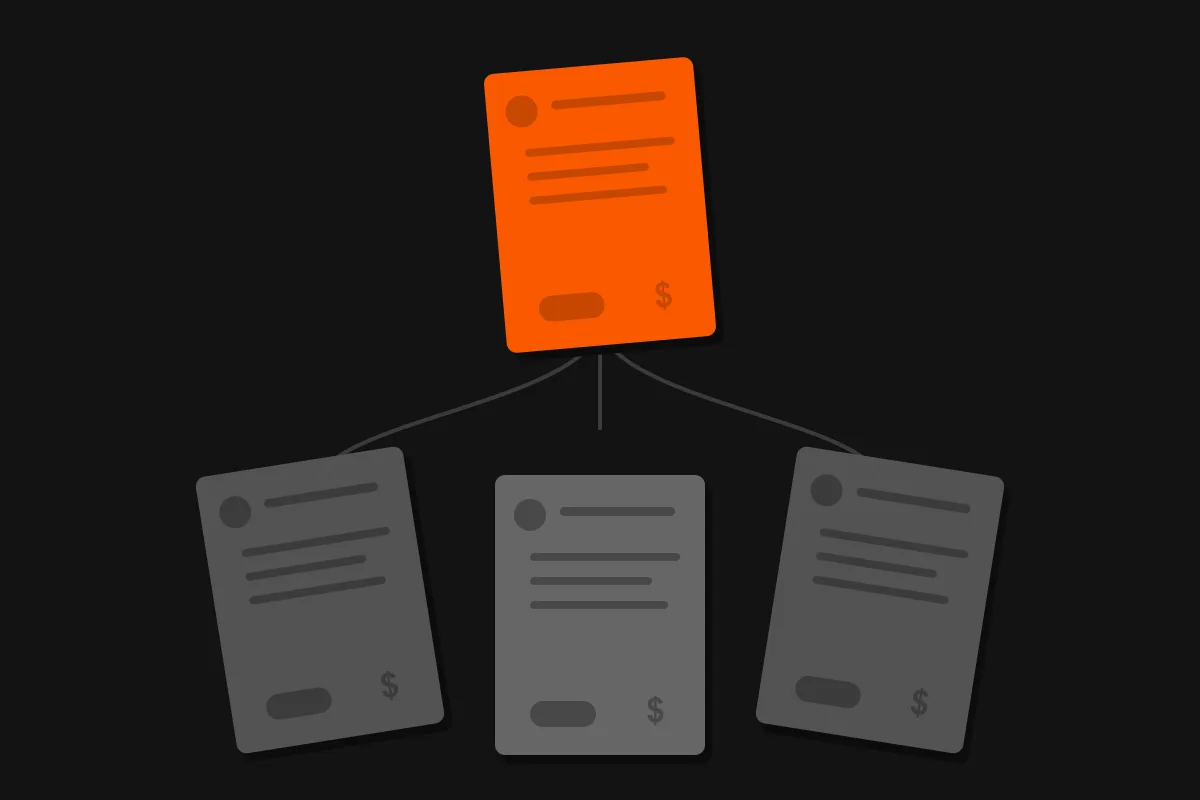
The structural catch is the same one every shared-lead marketplace has: the lead is not yours. The same homeowner’s details go to multiple businesses at once, and everyone who accepted the lead paid for it, but only one wins the job. You do not have to take a forum poster’s word for that. The glossary in hipages Group’s FY26 investor presentation, lodged with the ASX on 24 August 2026, states that up to 3 businesses can successfully claim a lead, and that those claims are what trigger lead credit consumption. The same deck reports 2.58 million of those claims in Australia in FY26 against 1.26 million jobs posted.
Why do people add “reddit” to this search?
Because hipages’ own marketing says it works, every agency selling an alternative says it does not, and you want an answer from someone with no commission on it. Fair enough.
One honest note before we go on: Reddit itself is not where the deepest hipages discussion lives. The threads you find there are mostly homeowners asking whether to trust the quotes. The tradie-side conversation, the one you are actually looking for, runs deepest on Whirlpool forums and in thousands of ProductReview entries. The themes below are synthesised from those communities, with the threads linked so you can read them yourself.
What do tradies actually report about hipages?
Across the Whirlpool threads and review sites, the recurring reports are steady:
- Leads are shared, and price wins. The same job goes to several businesses who compete against each other, and posters describe most customers as shopping for the cheapest quote. One tradie’s summary of the economics: hipages collects from everyone who accepted the lead, whichever way the job goes.
- Lead quality is hit and miss. Common complaints are enquiries that never answer the phone, vague jobs, and customers who were, as one poster put it, fishing for information rather than ready to book. A second Whirlpool thread carries the same reports from the tradie side: $20 to $40 to contact a lead, with most going nowhere.
- Credits and refunds cause friction. Credits expire, refund requests have a high bar, and the costs are easy to lose track of until you tally them against jobs won.
- Reviews on profiles skew positive. Posters in that second thread report negative reviews not appearing on public tradie profiles, which is worth knowing whichever side of the marketplace you are on.
To be fair, the positive reports are real too. In the same pay-per-lead thread, one tradie reported averaging five leads a week on jobs worth $200 or more, with hipages refunding lead costs when customers misbehaved. His own caveat: it was the bottom end of the market. That matches the wider pattern: hipages works best for smaller, high-volume jobs where speed matters more than margin.
What does a hipages lead really cost per booked job?
The number that decides everything is not the lead fee, it is the cost per job you actually win. ServiceScale, an Australian tradie website company (so, like us, a business selling the alternative; weigh the source accordingly), published a detailed cost breakdown arguing that while hipages advertises lead fees from $19, the true cost per booked job is $87 or more once you factor in the subscription, expired credits and a realistic 1-in-5 win rate.
You do not have to take their maths on faith. Run your own: total spend on hipages last quarter, divided by jobs won from it. Tradies in the forums who did that calculation are the ones who either renegotiated how they use the platform or left it. We have worked the same sum at five different win rates, next to the official 2026 tier prices and the contract terms, in the 2026 maths on hipages for tradies. And if it sends you back to pricing your own work, our charge-out rate calculator shows the hourly rate your quotes need to clear once overheads and unbillable time are counted.
Is hipages worth it in 2026 specifically?
The 2026 wrinkle is consolidation. Oneflare closed for good on 30 June 2026 after Airtasker retired the brand, which leaves hipages as the biggest dedicated trades marketplace in the country. That should mean more homeowner traffic and more displaced tradies competing for it, and in time it probably will. What it did not mean in the year just gone is more work. hipages Group’s FY26 results and the investor presentation lodged with them on 24 August 2026 report Australian job volume down 3% and household connections down 5% for the year to 30 June 2026, which the company puts down to subdued consumer confidence. Australian revenue still rose 8% to $85.3m, which the company attributes to job lead pricing optimisation and to customers moving onto higher priced plans. Group revenue, which includes New Zealand and two months of VIZ Insurance, rose 9% to $90.6m. hipages does not set price against volume anywhere in the pack, so take what follows as ours rather than theirs: read the two halves together and the picture is a smaller pool of jobs, priced up. Oneflare shut on the final day of that reporting period, so whatever it redistributes shows up in the numbers hipages reports next year.
If you are weighing it against the other survivors, our Oneflare alternatives guide compares hipages, Airtasker and ServiceSeeking honestly.
So is hipages worth it?
Worth it when: you are new, you have no other lead source, you can answer enquiries within minutes, and you treat it as a paid top-up while you build something you own. Track cost per booked job from day one and read the contract terms before signing anything.
Not worth it when: it is your only channel, your jobs are large and quote-heavy, or you cannot respond fast. The forum threads are full of established tradies who found the leads cost more to chase than the jobs were worth.
What is the alternative?
Leads you own. A fast website that ranks, a Google Business Profile with real reviews, and ads pointed at your best jobs. Those leads come to you alone, nobody resells them to three competitors, and the asset keeps compounding after the invoice is paid. We break down the full maths in buying leads versus generating your own, and the wider community view in our tradie marketing guide. If you want the shortlist of what tradies actually move to, every route out is mapped in hipages alternatives.
For transparency: Web Blend sells that alternative. Our Lead System builds the site, the ads and the review engine as one package, with no lock-in contract. We are not neutral on this question, but the forum themes above are real, positives included. Judge hipages on your own cost per booked job, not on our word or theirs.